The Best Ways to Strengthen Weak or Damaged Teeth
Posted on 2/6/2026 by SRD Russellville |
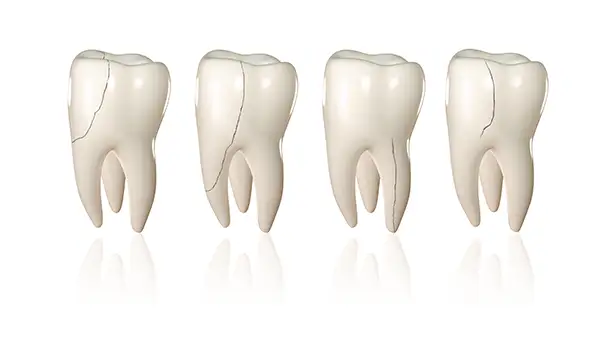 If you’re looking for how to strengthen weak teeth or repair ones that have already started to break down, the good news is that most weakened teeth can be saved when treatment starts reasonably early. At our Russellville, AL office, we see a wide spectrum of compromised teeth, from early enamel softening that hasn’t caused any visible damage yet to molars that have absorbed years of clenching, grinding, or aging fillings. The right approach depends on the situation, but it almost always starts with the least invasive option that will actually do the job. If you’re looking for how to strengthen weak teeth or repair ones that have already started to break down, the good news is that most weakened teeth can be saved when treatment starts reasonably early. At our Russellville, AL office, we see a wide spectrum of compromised teeth, from early enamel softening that hasn’t caused any visible damage yet to molars that have absorbed years of clenching, grinding, or aging fillings. The right approach depends on the situation, but it almost always starts with the least invasive option that will actually do the job.
This guide walks through the practical ways to strengthen weak teeth, organized from the smallest interventions to the more involved ones. The goal is to give you a clear sense of what is genuinely available before you sit down with the dentist, so the conversation feels like a plan rather than a sales pitch. To see the full scope of restorative dentistry services at Singing River Dentistry, our service page goes into more detail.
On This Page
Why Teeth Lose Their Strength
Teeth weaken for a handful of common reasons, and recognizing which one applies to you is the first step in choosing the right strengthening approach. Decay is the most familiar: when a cavity removes structure, the surrounding tooth becomes more brittle and prone to fracture, even after a filling. Large existing fillings have a similar effect. The more of a tooth that has been replaced with composite or amalgam over the years, the less natural structure is left to absorb chewing forces.
Other causes are less obvious. Grinding and clenching slowly wear down the chewing surfaces, sometimes flattening cusps or cracking the enamel in ways that aren’t painful until something major gives. Acid erosion from sodas, citrus, or reflux can soften enamel across many teeth at once. A tooth that has had root canal treatment loses its blood supply and becomes more brittle over time. And sometimes the cause is simply age: decades of normal chewing add up, and so do the small cracks that come with them.
Prevention and Remineralization
For teeth that are just beginning to show early weakening, the body has some natural repair capacity worth taking advantage of. Enamel doesn’t grow back the way bone does, but the mineral content within enamel can be partially replenished if the conditions are right. This is called remineralization, and it’s strongest where calcium and phosphate from saliva can be deposited back into softened enamel with the help of fluoride.
Practical ways to support this process include using fluoride toothpaste twice a day, considering a prescription-strength fluoride toothpaste if your dentist recommends it, and getting a professional fluoride treatment at regular cleanings. Adjusting habits matters just as much: cutting back on constant sipping of sodas or sports drinks, rinsing with water after acidic foods, and waiting about 30 minutes before brushing after anything acidic so you don’t scrub the softened enamel. None of this rebuilds a chipped tooth, but for teeth in the early stages of weakening, prevention quietly does a lot of work.
Restoration Options for Damaged Teeth
When the damage has moved past what prevention alone can address, the goal becomes restoring strength while removing as little healthy tooth structure as possible. The right option depends on how much structure has been lost and where on the tooth the damage is concentrated.
Dental Bonding for Small Chips and Cracks
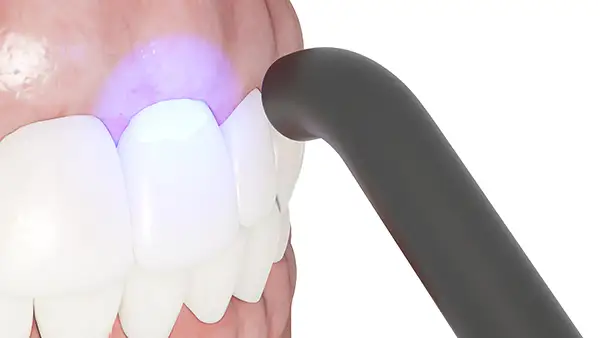 Bonding is the most conservative repair option for small chips, hairline cracks, and minor surface damage. The dentist applies a tooth-colored composite resin directly to the affected area, shapes it, and hardens it with a curing light. The procedure typically takes a single visit, requires little to no removal of natural tooth structure, and looks natural when finished. It’s ideal for the front-tooth chip that catches your lip every time you smile or a small craze line that has started to widen. To see how bonding compares to other front-tooth options, our dental bonding service page goes deeper. Bonding is the most conservative repair option for small chips, hairline cracks, and minor surface damage. The dentist applies a tooth-colored composite resin directly to the affected area, shapes it, and hardens it with a curing light. The procedure typically takes a single visit, requires little to no removal of natural tooth structure, and looks natural when finished. It’s ideal for the front-tooth chip that catches your lip every time you smile or a small craze line that has started to widen. To see how bonding compares to other front-tooth options, our dental bonding service page goes deeper.
Inlays and Onlays for Moderate Damage
When a tooth has lost more structure than a filling can handle but doesn’t yet need full coverage, inlays and onlays are an excellent middle ground. Sometimes called “partial crowns,” these custom-made restorations fit precisely into the prepared area of the tooth, restoring strength while preserving more of the original enamel than a traditional crown would. They’re particularly useful on back molars where chewing forces are high but the entire tooth doesn’t need to be covered. The inlays and onlays page on our site has more on when this option fits.
Dental Crowns for Significant Compromise
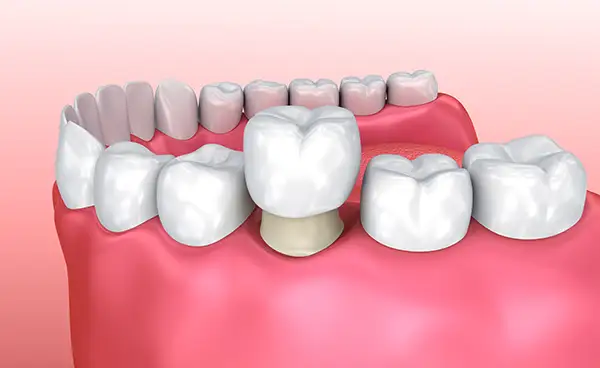 When a tooth has lost so much structure that the remaining walls can no longer support a filling, inlay, or onlay reliably, a dental crown becomes the most predictable way to restore strength. The crown covers the entire visible portion of the tooth, distributing chewing forces evenly across all sides instead of concentrating them on a weakened wall. Crowns are also the standard choice after root canal treatment, since the loss of blood supply leaves the tooth more brittle and prone to fracture without full coverage. Modern ceramic and zirconia crowns look like natural teeth and last for many years when cared for properly. When a tooth has lost so much structure that the remaining walls can no longer support a filling, inlay, or onlay reliably, a dental crown becomes the most predictable way to restore strength. The crown covers the entire visible portion of the tooth, distributing chewing forces evenly across all sides instead of concentrating them on a weakened wall. Crowns are also the standard choice after root canal treatment, since the loss of blood supply leaves the tooth more brittle and prone to fracture without full coverage. Modern ceramic and zirconia crowns look like natural teeth and last for many years when cared for properly.
When Replacement Is the Better Path
There are situations where the remaining tooth structure is simply too compromised to support any restoration. Vertical root fractures, severe decay extending beneath the gumline, and significant loss of supporting bone can all push the decision toward extraction and replacement. In those cases, planning the replacement at the time of the extraction matters. Leaving a gap leads to bone loss and shifting of neighboring teeth, so options like a dental implant or bridge should be part of the same conversation rather than a future one.
Treating the Underlying Cause
Restoring a damaged tooth without addressing what damaged it is a short-term win. A tooth weakened by grinding will keep weakening if the grinding continues, even with the most precisely placed crown sitting on top. A tooth eroded by acid will lose enamel on the surrounding teeth too unless the acid source is identified and the habit changed. This is the step that separates good restorative care from care that buys time but doesn’t solve the problem.
Common causes worth addressing alongside repair, and ones we routinely discuss with patients at our Russellville office: a teeth grinding habit managed with a custom night guard, acid reflux treated with your physician, frequent sipping of acidic drinks replaced with water between meals, and gum disease that has weakened the support around the teeth treated with periodontal care. A weakened tooth that gets restored and stays in the same environment is a tooth that will keep needing work. A weakened tooth that gets restored alongside addressing the cause has a real chance at long-term stability.
Strengthening Your Smile
Weak or damaged teeth almost always have a path forward, and the earlier you start, the more options you have. Our team at Singing River Dentistry in Russellville is happy to take a look, explain what we see, and walk through which strengthening approach fits your situation. Call 256-332-6888 or visit our Singing River Dentistry homepage to schedule a visit at our Russellville office.
Frequently Asked Questions
Can a weak tooth become strong again?
It depends on how the tooth became weak. Early-stage enamel softening can be partially reversed through remineralization with fluoride and habit changes. Once structure has been lost to decay, fracture, or wear, the tooth can be restored to function and strength with bonding, inlays, onlays, or crowns, but the lost structure itself doesn’t regrow.
How do I know if my tooth is weak before it breaks?
Common warning signs include sensitivity to hot and cold, a tooth that feels different when you bite down, a hairline crack you can see in certain light, frequent food trapping in one area, or a large filling that has been in place for many years. Routine exams catch these issues before they progress.
Is dental bonding strong enough for a back tooth?
Bonding works best for small, low-stress repairs on visible front teeth or for minor surface damage on other teeth. For chewing surfaces on back molars or for larger areas of damage, inlays, onlays, or crowns are typically a better long-term choice because they resist chewing forces more reliably.
Do I always need a crown after a root canal?
A crown is the standard recommendation after root canal treatment on most teeth, especially back teeth that handle significant chewing forces. The root canal removes the inner tissue, which leaves the tooth more brittle and prone to fracture. A crown protects the remaining structure and is the most predictable way to keep the tooth functional long-term.
Can a cracked tooth heal on its own?
No, a true crack in a tooth doesn’t heal the way skin or bone does. Small surface cracks called craze lines may not need treatment if they don’t cause symptoms, but any crack that extends into the tooth structure needs to be evaluated and typically restored to prevent the crack from spreading.
|
|

