Dental Implant Maintenance Tips for Long-Term Success
Posted on 3/7/2026 by SRD Russellville |
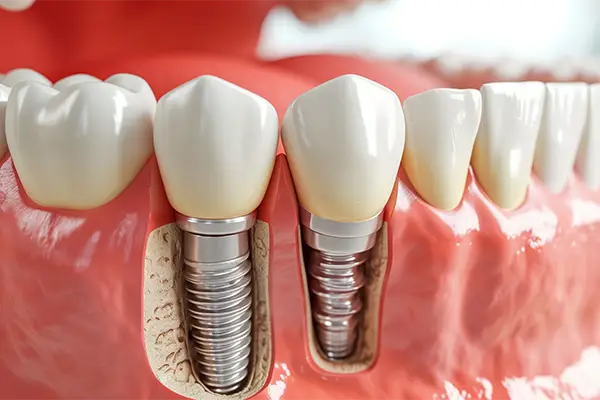 The most useful dental implant maintenance tips for long-term success come down to consistency, because implants reward steady care and quietly punish neglect. At our Russellville, AL office, the implants we’ve placed for patients who follow a sensible daily routine and show up for cleanings have lasted for many years, and many will continue to last decades. The implants that fail almost always do so for one of a handful of preventable reasons, and most of them come back to maintenance. The most useful dental implant maintenance tips for long-term success come down to consistency, because implants reward steady care and quietly punish neglect. At our Russellville, AL office, the implants we’ve placed for patients who follow a sensible daily routine and show up for cleanings have lasted for many years, and many will continue to last decades. The implants that fail almost always do so for one of a handful of preventable reasons, and most of them come back to maintenance.
This guide walks through what daily implant care actually looks like, what professional care adds on top of it, the habits that quietly extend or shorten implant lifespan, and the warning signs that should prompt a phone call rather than a wait-and-see approach. For a closer look at our overall approach to dental implants in Russellville, the service page goes into more depth on what we do at Singing River Dentistry.
On This Page
A Common Misconception About Implants
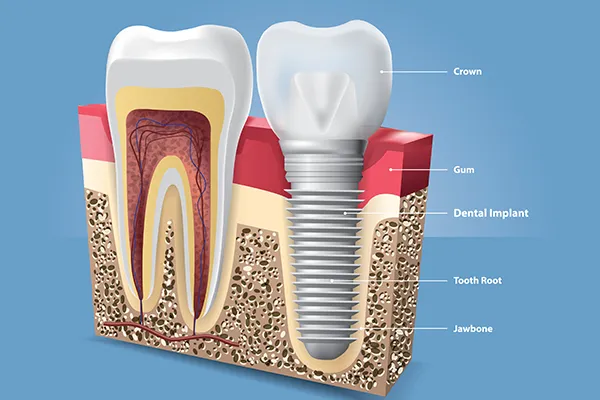
A question we hear regularly is some version of: “Since implants aren’t real teeth, I don’t really need to worry about them, right?” The first part is correct. The titanium post fused into the jawbone and the ceramic crown on top can’t develop cavities the way enamel can. The second part is where the misconception causes real trouble.
Implants can absolutely fail, and when they do, the most common cause is peri-implantitis: a form of inflammatory disease that develops around an implant the same way periodontal disease develops around a natural tooth. It starts with inflammation in the gum tissue surrounding the implant (peri-implant mucositis) and progresses to bone loss in the jaw that supports the implant. By the time the implant feels loose or visibly recedes, the damage is often significant. The path to preventing this is straightforward, and it’s the same path that keeps natural teeth healthy: daily care plus professional check-ups.
Daily Home Care for Implants
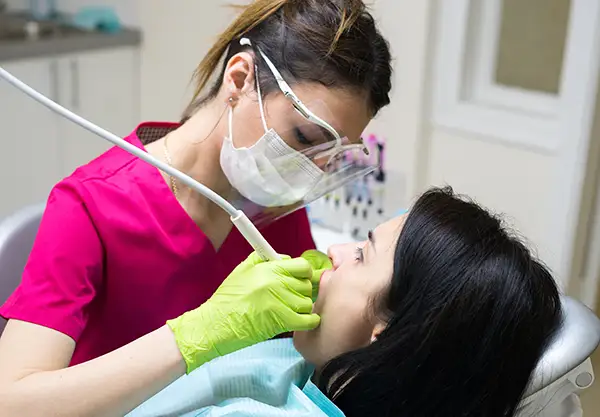 Daily care for implants is similar to daily care for natural teeth, with one important emphasis: the gumline around the implant is the area most worth paying attention to. That’s where bacteria collect and where peri-implant problems begin. Daily care for implants is similar to daily care for natural teeth, with one important emphasis: the gumline around the implant is the area most worth paying attention to. That’s where bacteria collect and where peri-implant problems begin.
Brushing. Use a soft-bristled toothbrush twice a day, gently angling the bristles at the gumline where the implant crown meets the gum. Electric toothbrushes work well around implants, often better than manual brushes for patients who find it hard to reach the surfaces consistently. Avoid abrasive whitening toothpastes on implant crowns, since some can dull the porcelain finish over time.
Cleaning between teeth. Floss designed for implants is softer and easier to maneuver around the implant abutment than standard floss. For implant-supported bridges or dentures, floss threaders or interdental brushes reach the spaces conventional floss can’t. A water flosser is another excellent option and is particularly useful for patients with full arch restorations.
Rinsing. If your dentist or hygienist suggests an antimicrobial mouthrinse, use it on the schedule they recommend. For most patients with healthy implants, a daily mouthrinse isn’t strictly necessary, but it can be a helpful addition for patients who have had peri-implant issues in the past. For more on day-to-day care, our dental implants care page has additional detail.
Professional Care and Cleanings
Home care does most of the heavy lifting between visits, but it doesn’t replace what a hygienist or dentist can do at a professional cleaning. The instruments used to clean around implants are different from those used on natural teeth, because conventional steel scalers can scratch the titanium surface of an implant. Trained hygienists use specialized implant-safe instruments to clean the implant and surrounding tissues without damaging them.
Most implant patients are seen for teeth cleanings every six months, but patients who have had gum issues in the past or who have multiple implants may benefit from a three or four month cleaning interval instead. Periodic imaging is also part of routine implant monitoring, because bone level around the implant is something that has to be measured rather than guessed at. Our dental implant maintenance page covers the schedule and what to expect at these visits.
If you have any history of gum disease, professional periodontal care becomes especially important around implants, since the bacteria that drive periodontal disease around natural teeth can drive peri-implantitis around implants too.
Habits That Help or Hurt Implants
A few specific habits move the needle on implant longevity. The biggest one to be aware of is smoking, which is the single largest modifiable risk factor for implant failure. Smoking reduces blood flow to the gum tissue, slows healing, and increases the rate of peri-implant bone loss. Patients who smoke can still have successful implants, but the risk profile changes meaningfully.
Grinding and clenching deserve attention too. The ceramic crown on top of an implant can chip the same way any porcelain restoration can, and the high forces of clenching put repetitive stress on the implant itself. If you grind at night, a custom night mouth guard protects the implant alongside the rest of your teeth. Beyond those big factors, the smaller habits matter: avoid biting ice, fingernails, pen caps, or hard candies, and don’t use your teeth as a bottle opener or scissors. Implants are extraordinarily strong, but the crown on top is still ceramic and still vulnerable to fracture under the wrong forces.
For patients with diabetes, well-controlled blood sugar significantly improves implant outcomes. Uncontrolled diabetes affects healing and increases peri-implant inflammation, so it’s worth coordinating with your physician if blood sugar control has been a challenge.
Warning Signs to Watch For
 Most implant problems begin quietly, which is why routine monitoring matters more than waiting for an obvious issue. That said, there are warning signs that should always prompt a call to the dentist rather than a wait-and-see approach. Most implant problems begin quietly, which is why routine monitoring matters more than waiting for an obvious issue. That said, there are warning signs that should always prompt a call to the dentist rather than a wait-and-see approach.
Bleeding when you brush or floss around the implant is one of the earliest signals, and it’s the easiest one to brush off as “just gums.” It’s not. Gums around a healthy implant don’t typically bleed. Gum recession exposing more of the implant abutment, persistent bad taste or odor from one specific spot, a loose feeling in the implant or the crown, sudden discomfort or tenderness around the area, and visible inflammation or swelling all warrant attention. Caught early, peri-implant problems are often manageable with focused cleaning and improved home care. Caught late, they can require surgical intervention or, in the worst cases, removal of the implant.
Protecting Your Implant Long Term
A well-cared-for dental implant can be one of the most reliable restorations in modern dentistry, often lasting decades and sometimes a lifetime. The routine is straightforward: brush, floss around the implant the right way, see your hygienist on schedule, address habits like grinding or smoking, and act quickly when something doesn’t feel right. If you have an implant and want a maintenance check, or you’re considering an implant and want to understand what care will look like afterward, our team at Singing River Dentistry in Russellville is here to help. Call 256-332-6888 or visit our Singing River Dentistry homepage to schedule a visit.
Frequently Asked Questions
Can dental implants get cavities?
No, the titanium implant post and ceramic crown can’t decay the way natural enamel does. However, the gum and bone surrounding the implant can develop disease (peri-implantitis), which is the most common cause of implant failure. Daily cleaning and routine professional care prevent it.
How often should I see the dentist if I have implants?
Most implant patients are seen for cleanings and check-ups every six months. Patients with a history of gum disease, multiple implants, or known risk factors may benefit from three or four month intervals. Your dentist will tailor the schedule to your specific risk profile.
Is it safe to use a water flosser around dental implants?
Yes, water flossers are generally safe and often particularly useful around implants, especially for cleaning beneath implant-supported bridges or dentures. Use a moderate pressure setting and direct the stream along the gumline rather than straight into the gum pocket.
What happens if I have a habit of grinding my teeth at night?
A custom night guard is strongly recommended. Grinding puts repetitive stress on the implant and increases the risk of chipping the crown or stressing the supporting bone over time. The guard distributes the forces and protects the implant along with the rest of your teeth.
How do I know if my implant is in trouble?
Common warning signs include bleeding around the implant, gum recession exposing the abutment, persistent bad taste, a loose feeling in the crown or the implant itself, ongoing tenderness, or visible swelling. Any of these warrants a visit rather than waiting to see if it resolves on its own.
|
|

