How Long Do Dental Crowns Last? Real-World Lifespans
Posted on 1/5/2026 by SRD Russellville |
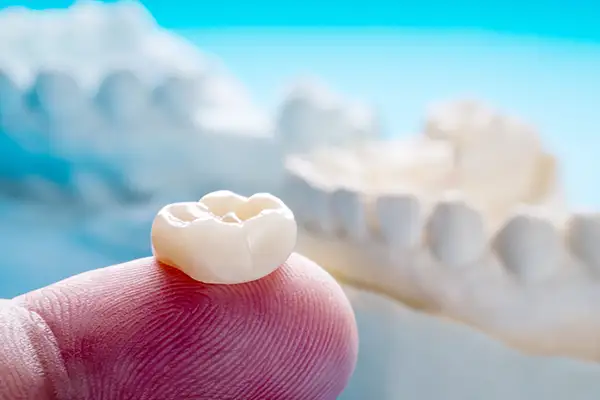 If you’ve been told you need a crown, or you already have one, the question “how long do dental crowns last” is probably already on your mind. The honest answer is more nuanced than the 10 to 15 year figure that gets repeated online. At our Russellville, AL office, we routinely see crowns that have served patients faithfully for 20 years or longer, and we also occasionally see crowns that need replacing well before the decade mark. The difference comes down to a handful of factors that are worth understanding before you invest in restorative care. If you’ve been told you need a crown, or you already have one, the question “how long do dental crowns last” is probably already on your mind. The honest answer is more nuanced than the 10 to 15 year figure that gets repeated online. At our Russellville, AL office, we routinely see crowns that have served patients faithfully for 20 years or longer, and we also occasionally see crowns that need replacing well before the decade mark. The difference comes down to a handful of factors that are worth understanding before you invest in restorative care.
This guide walks through what actually determines dental crown longevity: the material your crown is made of, where it sits in your mouth, the habits that shorten its life, and the warning signs that tell you it may be time for a check or a replacement. If you’re weighing your options or wondering whether your current crown is still doing its job, the information below should help. For more on the dental crowns we provide at Singing River Dentistry in Russellville, our service page goes into more depth.
On This Page
Why the 10 to 15 Year Average Misleads
The figure you’ll most often hear is that a dental crown lasts 10 to 15 years. That number comes from older clinical studies and dental insurance replacement schedules, both of which lean conservative for reasons that have more to do with averages than with what your specific crown will actually do. In real-world dental practice, many crowns last well past 15 years, and some pass 25 or even 30 years still functioning beautifully. Others, in the same mouth, may need replacement at 7 or 8 years because of grinding habits, cracked supporting tooth structure, or hidden decay.
The truth is that “how long will my crown last” depends on at least six variables that we’ll walk through below. A patient who chooses a strong material, takes care of their teeth, doesn’t grind, and shows up for routine exams might never need to replace a back molar crown. A patient who clenches at night and skips cleanings can burn through the same crown in a fraction of the time. The average doesn’t tell you which patient you’ll be.
How Material Affects Crown Lifespan
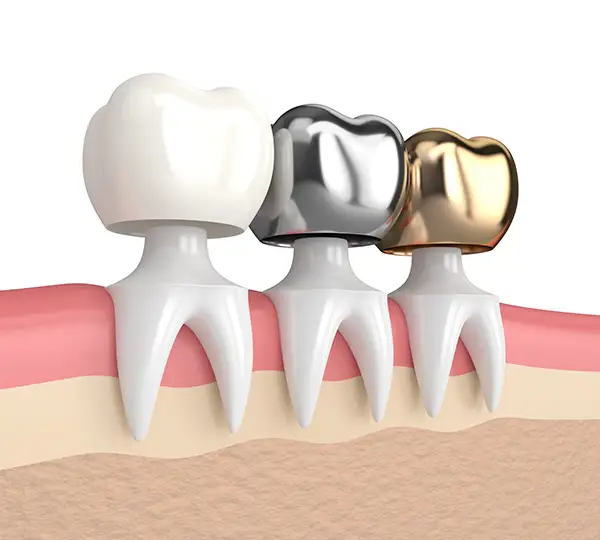 Crown material is the single most discussed factor when patients ask about longevity, and for good reason. Each material has a track record and a personality. Knowing the differences helps you understand why your dentist might recommend one option for a particular tooth and a different one for another. Crown material is the single most discussed factor when patients ask about longevity, and for good reason. Each material has a track record and a personality. Knowing the differences helps you understand why your dentist might recommend one option for a particular tooth and a different one for another.
Porcelain-fused-to-metal (PFM) crowns. These have been used for decades and have a strong durability record. The metal substructure underneath provides strength while the porcelain shell on top handles the appearance. Their main aesthetic concern over time is a thin dark line that can appear at the gumline if the gum recedes, exposing the metal edge.
All-ceramic and zirconia crowns. Modern ceramic materials, especially zirconia, are remarkably tough while still looking like natural enamel. Zirconia in particular has changed what’s possible on back teeth where strength was once the limiting factor. For a deeper look at the appearance side, our page on porcelain crowns covers the cosmetic details.
Gold crowns. Gold remains one of the longest-lasting crown materials ever used in dentistry. Many gold crowns last 30 or more years in the mouth. The trade-off is appearance, and cosmetic preferences have shifted decisively toward tooth-colored options, so gold is rarely selected today outside of specific cases on back molars.
Same-day CEREC crowns. A CEREC crown is milled in-office from a solid block of durable ceramic. The material itself performs well long-term, and the ability to finish the crown in one visit avoids the temporary-crown phase. You can learn more about how same-day CEREC crowns differ from traditional lab-made options on our service page.
If you’re weighing your choices, our overview of different types of dental crowns walks through each material in more depth.
Other Factors in Crown Longevity
Material is one piece of the puzzle. The rest comes down to where the crown lives in your mouth, how you use your teeth, and how healthy the tooth underneath actually is.
Where the Crown Sits in Your Mouth
Back molars do the heavy lifting of chewing, and the forces involved are surprisingly high. A crown on a second molar absorbs hundreds of pounds of pressure per square inch every time you bite down on something hard. Crowns on front teeth see far less force but face more aesthetic scrutiny, since any minor chip or shade mismatch is immediately visible when you smile.
Habits That Wear Crowns Down
The single biggest accelerator of crown wear is nighttime grinding or daytime clenching. Patients often don’t realize they’re doing it until the dentist points out the wear pattern. Chewing ice, using teeth to open packaging, biting fingernails, and crunching hard candy all chip away at crowns the same way they chip away at natural teeth.
The Health of the Tooth Underneath
A crown is only as durable as the tooth it sits on. This catches a lot of patients by surprise. The crown itself may be in perfect shape, but decay can develop at the margin where the crown meets the natural tooth, or a problem may develop in the root underneath. These hidden issues are actually the most common reasons crowns ultimately need replacement, not crown wear itself.
Oral Hygiene and Gum Health
Gum disease around a crown does the same damage it does around any tooth: it destroys the supporting tissue and bone, eventually loosening the crown along with everything else. Daily brushing and flossing, especially right at the gumline around the crown, makes a measurable difference. Regular professional cleanings in Russellville help catch early gum changes before they become bigger problems.
Signs Your Crown Needs Attention
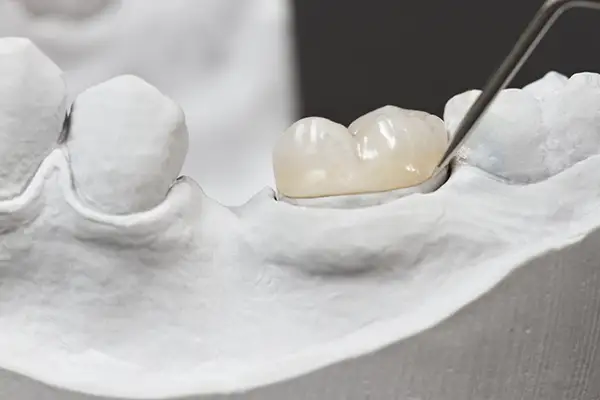 Knowing what to look for is half the battle. Most crowns give some warning before they fail outright, and catching the signs early often means a smaller, less involved repair instead of a more complex restoration. Knowing what to look for is half the battle. Most crowns give some warning before they fail outright, and catching the signs early often means a smaller, less involved repair instead of a more complex restoration.
A few of the things we listen for when patients come in: a crown that suddenly feels loose or moves slightly when you press on it, a change in how your bite feels, sensitivity to hot or cold where there was none before, persistent gum tenderness or bleeding around just one tooth, a visible dark line forming at the gumline, or a chip or crack in the crown itself. Any of these warrants a closer look at your next dental exam rather than waiting for the situation to worsen.
We also pay attention to crowns that have been in place for many years even when nothing seems wrong. The margin where crown meets tooth is the most common place small problems start, and routine X-rays let us spot decay developing there long before the patient feels it. If you’re trying to decide whether your situation calls for a crown or a more conservative option, our comparison of crowns versus inlays and onlays explains when each is appropriate.
Caring for Your Crown Long Term
The best way to get the longest life out of any crown is to take care of it the same way you take care of the rest of your teeth, with one or two specific adjustments. If you grind at night, a custom night guard is the most effective single thing you can do to protect crowns from premature wear. Avoid using your teeth as tools, skip the hard candies and ice, and floss carefully around the crown margin every day. Six-month check-ups at our Russellville office let us monitor the crown, the tooth underneath, and the surrounding gum so small issues don’t become large ones.
If you have questions about your current crown or you’re considering one, the team at Singing River Dentistry is happy to walk you through your options. Give our Russellville office a call at 256-332-6888 or visit our Singing River Dentistry homepage to learn more about restorative care in Franklin County.
Frequently Asked Questions
Do dental crowns ever last forever?
A crown can last for decades, and some crowns serve their wearer for an entire lifetime, but no restoration is truly permanent. The crown itself may stay intact while the supporting tooth or surrounding gum changes over time. The longer it stays in place, the more important regular monitoring becomes.
Can I extend the life of an older crown?
Yes, in many cases. Excellent home care, addressing any grinding habit, treating early gum changes, and keeping up with cleanings can keep an older crown functional for years longer than it might otherwise. The most useful step is having it checked at every routine exam.
Does my crown need replacement if it’s 15 years old but feels fine?
Not automatically. Age alone doesn’t determine whether a crown should be replaced. What matters is the condition of the crown, the margin where it meets the tooth, the tooth underneath, and the surrounding gum. If everything checks out, the crown stays.
Are same-day crowns less durable than lab-made ones?
Modern same-day ceramic blocks are engineered for strength and durability that performs comparably to many lab-fabricated crowns, especially for back teeth. The choice between same-day and traditional fabrication often comes down to the specific tooth, aesthetic needs, and patient preference rather than longevity.
What happens during a crown replacement?
The dentist carefully removes the old crown, evaluates the tooth and any decay underneath, addresses any issues found, prepares the tooth, takes a digital scan or impression, and fits a new crown. The process is similar to placing the original crown and often goes more smoothly because the tooth has already been shaped.
|
|

