The Science Behind Tooth Sensitivity
Posted on 9/7/2026 by SRD Russellville |
 If you’ve ever felt a sharp jolt through a tooth from a sip of ice water or a breath of cold air, you’ve experienced tooth sensitivity firsthand, and the science behind it is more interesting than you might think. That quick flash of discomfort is actually a precise signal traveling from the surface of your tooth down to the nerve in a fraction of a second. Understanding what’s happening inside the tooth makes it much easier to recognize what’s triggering your sensitivity and what can be done about it. If you’ve ever felt a sharp jolt through a tooth from a sip of ice water or a breath of cold air, you’ve experienced tooth sensitivity firsthand, and the science behind it is more interesting than you might think. That quick flash of discomfort is actually a precise signal traveling from the surface of your tooth down to the nerve in a fraction of a second. Understanding what’s happening inside the tooth makes it much easier to recognize what’s triggering your sensitivity and what can be done about it.
At our Russellville office, we hear about sensitive teeth almost every week. Most patients want to know two things: what’s causing it and whether something is wrong. The short answer is that sensitivity is a signal, and finding the underlying cause matters more than masking the discomfort. This guide walks through the anatomy of a tooth, the mechanism that produces a sensitivity jolt, the conditions that cause it, and the science behind the most common treatments. If you’d like to skip ahead to relief options, tooth sensitivity management covers the treatment side in more detail.
On This Page
A Quick Tour of Tooth Anatomy
A tooth has three main layers, each with a very different job. Knowing what they look like makes the rest of the story click into place.
The outer layer is enamel. Enamel is the hardest tissue in your body, even harder than bone, and it forms a tough shell over the part of the tooth you can see. It’s highly mineralized, almost glass-like in structure, and importantly, it has no nerves. You could scratch the enamel surface with a dental instrument and feel nothing, because the signal pathway simply isn’t there.
Beneath the enamel sits the dentin, and this is where the picture changes. Dentin is softer than enamel and yellower in color, which is why teeth start to look darker as enamel wears thin. The crucial feature of dentin is its structure: it’s honeycombed with thousands of microscopic channels called tubules. Each tubule runs from the outer surface of the dentin down toward the center of the tooth. Inside each tubule is a thin fluid, and at the inner end the tubule connects, through tiny nerve extensions, to the nerve at the heart of the tooth.
At the very center sits the pulp, which contains blood vessels, lymphatic vessels, and the main nerve of the tooth. Below the gum line, a thin layer of cementum covers the root, and the periodontal ligament holds the tooth in the jaw. Where the gums sit healthy and tight around the neck of the tooth, the dentin and root are completely covered. That coverage is what keeps everything calm.
What Triggers a Sensitivity Jolt
The widely accepted explanation for sensitivity is called the hydrodynamic theory, and it centers on the fluid inside the dentin tubules.
When enamel and gum coverage are intact, the tubule openings are sealed off from the outside world, and nothing moves the fluid inside them. When something exposes the tubule openings, even a small shift in temperature or pressure causes that fluid to move. A cold sip causes the fluid to contract and pull outward; a hot drink causes it to expand. The movement of fluid disturbs the nerve endings at the inner end of the tubules, and your brain interprets that disturbance as a sharp, brief pain.
This is why sensitivity feels different from a typical toothache. A cavity ache tends to linger because the nerve itself is irritated. A sensitivity jolt comes and goes in seconds because the fluid movement that triggered it is brief. The same mechanism explains why sensitivity can be set off by cold, heat, sweet or sour foods, brushing, or even a gust of cold air on a winter walk in Russellville. Anything that creates pressure or temperature change at the tubule opening can do it.
Why the Dentin Tubules Get Exposed
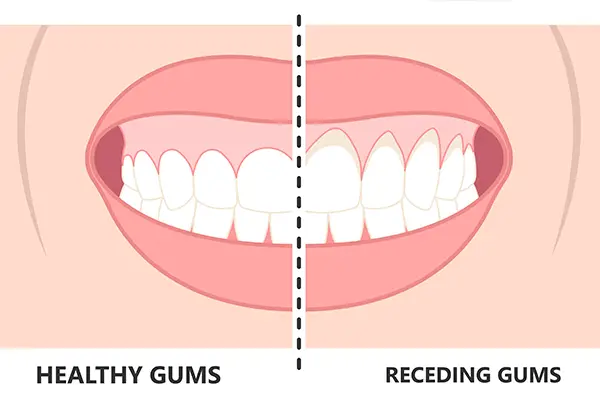 Sensitivity always traces back to one root cause: the dentin tubules have been exposed somewhere they used to be covered. Several distinct conditions can do this, and many patients have more than one going on at the same time. Sensitivity always traces back to one root cause: the dentin tubules have been exposed somewhere they used to be covered. Several distinct conditions can do this, and many patients have more than one going on at the same time.
Enamel erosion and wear. Acidic foods and drinks, frequent acid reflux, and aggressive brushing can wear enamel down over time. As enamel thins, the dentin underneath gets closer to the surface and eventually shows through. Nighttime grinding can also wear small notches into the tooth at the gum line, where enamel is naturally thinnest, creating focused sensitive spots.
Gum recession. When the gum line pulls back from the neck of the tooth, it exposes the root surface, which has no enamel coating. The root is covered by a thin layer of cementum, but cementum wears away easily, leaving the dentin tubules directly exposed at the gum line. Recession can be caused by periodontal disease, brushing too hard, or thin gum tissue from genetics. Ongoing periodontal care addresses the inflammation side and helps prevent further loss.
Tooth decay reaching the dentin. A cavity that’s broken through the enamel and is working its way into the dentin opens those tubules directly to the mouth. Sensitivity that appears in one specific spot and stays there is a classic early warning sign. A dental filling placed early stops the progression and re-seals the tooth.
Cracked or chipped teeth. A fracture line in the enamel can let temperature and pressure changes reach the dentin even when nothing is visibly missing. Sensitivity that shows up only when biting on a specific tooth often points to a small crack.
Recent dental work. A new filling or crown can leave the tooth temporarily sensitive while the dentin underneath settles. This usually fades over a few days to a few weeks. Sensitivity that persists or worsens after that window deserves a follow-up visit.
How Desensitizing Treatments Work
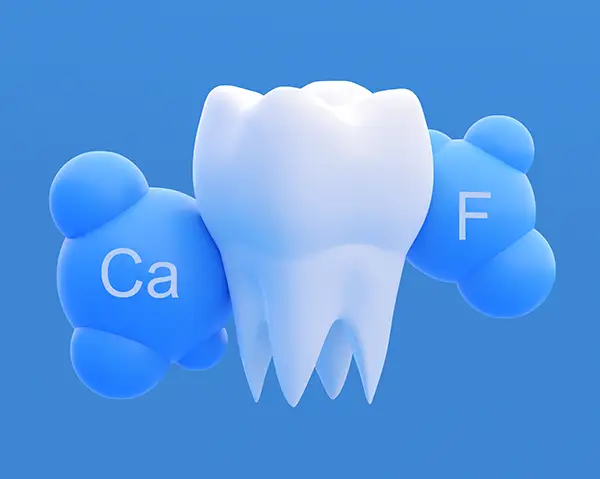 Once you understand that the goal is to seal or calm the dentin tubules, the treatments make more sense. Each option targets one part of that equation. Once you understand that the goal is to seal or calm the dentin tubules, the treatments make more sense. Each option targets one part of that equation.
Desensitizing toothpastes. The two main active ingredients work in different ways. Potassium nitrate calms the nerve response by reducing the excitability of the nerve fibers inside the tooth, so the tubules can still transmit fluid movement, but the nerve doesn’t fire as strongly. Stannous fluoride physically deposits a mineral layer that helps plug the tubule openings. Most over-the-counter sensitivity toothpastes contain one or both, and they typically require regular use over a few weeks to reach full effect.
Professional fluoride varnish. A fluoride treatment applied at a dental visit deposits a higher-strength fluoride coating on the tooth surface. The fluoride reacts with calcium and phosphate already in the tooth to create a more acid-resistant outer layer, and the varnish itself helps seal tubule openings at the gum line.
Bonding and restorations. For a specific sensitive spot, your dentist can apply a thin layer of bonding resin or glass-ionomer material to physically cover the exposed dentin. When the underlying cause is a cavity, crack, or extensive enamel loss, a filling, inlay, or crown restores the tooth and seals the tubules under the restoration. Once the dentin is sealed, the sensitivity disappears with the underlying problem.
Gum grafting. For significant gum recession, a graft procedure can rebuild gum coverage over an exposed root. This is a longer-term solution for patients whose recession has progressed enough that other measures aren’t enough on their own.
No amount of toothpaste will keep up with daily acid attacks from soda or constant grinding at night. Identifying and treating the source, whether it’s diet, reflux, brushing technique, or nighttime grinding, is what makes the relief stick.
When to Talk to Your Dentist
Tooth sensitivity is a signal worth listening to. If you’ve been managing it on your own with desensitizing toothpaste and it’s still bothering you, or if it appeared suddenly in one specific tooth, it’s worth having someone look at it. At Singing River Dentistry, our Russellville team will identify what’s exposing the dentin in your case and put together a plan that targets the cause, not just the discomfort. Call us at 256-332-6888 or schedule a visit at our Russellville office to get to the bottom of what’s triggering your sensitivity.
Frequently Asked Questions
Why do my teeth feel sensitive when I brush?
Brushing creates physical pressure and slight temperature shifts at the gum line, which can disturb the fluid inside exposed dentin tubules. If a specific area feels sensitive when brushing, it usually means the dentin is exposed in that spot, often from gum recession or a small notch at the gum line. Switching to a soft-bristled brush and using gentle, angled strokes reduces the trigger while the underlying cause is evaluated.
Can tooth sensitivity get better on its own?
Mild sensitivity sometimes calms down on its own, especially after recent dental work or a temporary irritant. Persistent sensitivity, though, usually points to an ongoing cause like erosion, recession, or decay, and those don’t reverse without addressing the source. Sensitivity that lasts more than a couple of weeks is worth evaluating.
Why do my teeth feel sensitive after whitening?
Whitening agents like hydrogen peroxide and carbamide peroxide temporarily increase dentin tubule permeability, which makes the nerve easier to stimulate. The effect is usually short-lived, lasting from a few hours to a few days after treatment. Spacing out teeth whitening sessions and using a desensitizing toothpaste before and after treatment helps reduce the response.
Is sensitive toothpaste really different from regular toothpaste?
Yes. Sensitive formulations contain active ingredients like potassium nitrate or stannous fluoride that either calm the nerve response or physically plug the dentin tubule openings. Regular toothpaste cleans the teeth but doesn’t target the sensitivity mechanism. Sensitive toothpastes generally need consistent daily use for several weeks before reaching their full effect.
Should I see a dentist for sensitivity, or just try toothpaste first?
A desensitizing toothpaste is a reasonable first step for mild, generalized sensitivity. But if the sensitivity is localized to one tooth, sharp enough to interrupt eating or drinking, lingers more than a few seconds, or appeared suddenly, it’s worth a professional evaluation. Sensitivity that started after a recent filling, crown, or dental procedure also deserves a quick check.
|
|

