Are You a Good Candidate for Invisalign?
Posted on 8/6/2026 by SRD Russellville |
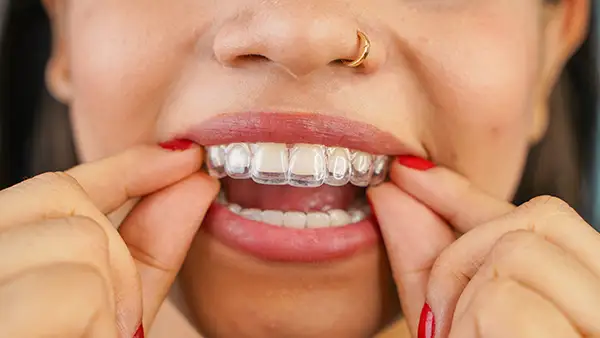 One of the most common questions we hear at our Russellville office is whether someone is a good candidate for Invisalign. Clear aligners have become a popular choice for straightening teeth without metal brackets, and they work well for a wide range of cases. But they aren’t the right answer for every smile, and the honest answer to “am I a candidate” comes from a proper exam, not from comparing your case to a coworker’s or a friend’s. One of the most common questions we hear at our Russellville office is whether someone is a good candidate for Invisalign. Clear aligners have become a popular choice for straightening teeth without metal brackets, and they work well for a wide range of cases. But they aren’t the right answer for every smile, and the honest answer to “am I a candidate” comes from a proper exam, not from comparing your case to a coworker’s or a friend’s.
This post walks through what genuinely makes someone a strong Invisalign candidate, where the line is for cases that need a different approach, and what to expect at the consultation. The goal is to give you enough information to know what questions to ask before you start, whether you’re considering Invisalign for the first time or returning to orthodontics years after your initial set of braces.
On This Page
What Makes Someone a Strong Invisalign Candidate
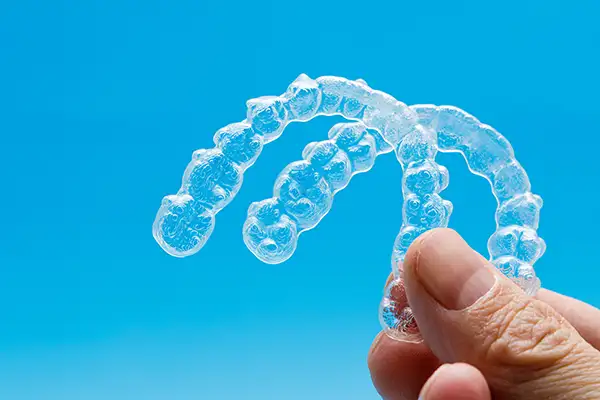 Strong candidacy comes from two angles: what the teeth themselves look like and how the patient is likely to use the trays day to day. Both matter, and a great fit on one side can be undone by a weak fit on the other. Strong candidacy comes from two angles: what the teeth themselves look like and how the patient is likely to use the trays day to day. Both matter, and a great fit on one side can be undone by a weak fit on the other.
On the dental side, Invisalign works particularly well for mild to moderate crowding, spacing problems, mild to moderate overbites or underbites, certain crossbites, and orthodontic relapse where teeth have started to shift after previous braces. Modern aligner systems are also capable of handling many movements that older versions couldn’t, including some tooth rotations and bite corrections that previously required brackets and wires. Your dentist evaluates not just the tooth positions but the underlying bone, gum health, and bite relationship to confirm aligners can deliver the planned result.
On the patient side, the single biggest predictor of success is wear time. Aligners only move teeth when they’re actually on the teeth, and the standard expectation is 20 to 22 hours of wear per day. That means trays come out only for meals, drinking anything other than water, and brushing. Patients who already know they’ll be tempted to leave aligners out at work events, on weekends, or during long social meals should be honest with themselves before committing.
Oral health has to be in order before treatment starts. Active gum disease or untreated cavities need to be addressed first, because shifting teeth through inflamed or unstable tissue can compromise the result. A pre-treatment cleaning, exam, and any needed periodontal care set the foundation. Reasonable expectations about timeline also matter: most cases finish somewhere in the range of 6 to 18 months, with complex cases taking longer.
Invisalign Across Different Age Groups
 One of the genuine advantages of clear aligner systems is how well they translate across age groups. Adults are often the largest population using Invisalign because the trays let them straighten teeth without obvious appliances during work and social situations. One of the genuine advantages of clear aligner systems is how well they translate across age groups. Adults are often the largest population using Invisalign because the trays let them straighten teeth without obvious appliances during work and social situations.
For teens with most of their permanent teeth, Invisalign Teen is designed with features like compliance indicators (small blue dots that fade with wear time) and accommodations for any teeth still erupting. Teens who are responsible enough to manage retainers or contact lenses are usually capable of managing aligners well.
For younger patients with mixed dentition (a combination of baby and permanent teeth), Invisalign First addresses certain issues like arch development and crowding while permanent teeth are still coming in. This is a narrower use case, but a meaningful option when the bite issue calls for early intervention.
For adults considering Invisalign decades after they thought their orthodontic window had closed, the answer is often yes. Healthy adult teeth move with the same biological process as younger teeth, just sometimes a little more slowly. Aligners pair naturally with other adult priorities, like working alongside a planned smile makeover or following up on the shifting that often happens years after first-round braces.
When Invisalign May Not Be the Best Fit
There are real situations where traditional braces or another orthodontic approach makes more sense, and patients are best served by hearing that honestly upfront.
Severe crowding that would require tooth extractions to create space can sometimes be handled with aligners, but the more space that needs to be created and the more dramatic the tooth movements, the more often a fixed appliance is the better tool. Similarly, large tooth rotations beyond a certain degree are difficult for aligners to accomplish on their own.
Significant skeletal jaw mismatches, where the upper and lower jaws don’t align well at the bone level, can’t be corrected by moving teeth alone. Those cases sometimes need a combination of orthodontics and surgical jaw correction, and aligners by themselves won’t change the underlying skeletal relationship.
The last category is honest with itself: patients who realistically know they won’t wear the trays the recommended 20-plus hours daily. If life circumstances make consistent wear unlikely, traditional braces, which stay attached and work continuously without daily decisions, often produce a better outcome.
Common Myths About Invisalign Eligibility
A few persistent misconceptions keep people from asking about Invisalign when they could be good candidates.
Invisalign is only for minor cosmetic cases. This was true a decade ago. Modern aligner technology handles many cases that previously required brackets and wires, including more complex tooth movements and bite corrections. The right way to know what your case requires is an evaluation, not an assumption.
I’m too old for orthodontics. Adult orthodontics is one of the fastest-growing parts of dentistry. Healthy teeth move at any age, and clear aligners are particularly well-suited to adults who don’t want metal brackets at work or in photos.
If my teeth were straightened as a kid, I can’t do Invisalign again. The opposite is often true. Patients whose teeth have shifted after first-round braces are excellent aligner candidates because the movements are usually moderate and the bite framework was previously established.
I have crowns or veneers, so aligners won’t work. Crowns and veneers can usually be moved along with the rest of the teeth, though certain attachments may need to be planned around existing restorations. Talk through any prior cosmetic dentistry work at your consultation so the plan can account for it.
What to Expect at Your Consultation
Finding out whether Invisalign is right for you starts with a real exam, not a self-assessment. At Singing River Dentistry, our Russellville team evaluates your tooth positions, bite, gum health, and goals before recommending an approach. Call us at 256-332-6888 or schedule a visit at our Russellville office to learn whether Invisalign is the right fit for your smile.
Frequently Asked Questions
How long does Invisalign treatment typically take?
Most Invisalign cases run between 6 and 18 months, with simpler cases finishing on the shorter end and complex cases taking longer. The timeline depends on how much movement is planned, the type of issue being corrected, and how consistently the trays are worn. Your dentist will give you a case-specific estimate after the initial evaluation.
What happens if I don’t wear my aligners enough?
Aligners only move teeth when they’re on the teeth, so inconsistent wear extends the treatment timeline and can compromise the final result. If wear time drops significantly, the next tray may not seat properly and the case may need a refinement or a new set of trays. Honest conversation with your dentist about realistic wear is essential before starting.
Can I get Invisalign if I have a crown or bridge?
Most existing restorations can be accommodated during aligner treatment. Crowns move along with their tooth roots, though the small attachments used during treatment may not bond to porcelain as easily as natural enamel. Bridges, which connect multiple teeth, can complicate planning since the bridge moves as a unit. Bring up any existing dental work at your consultation so it can be factored into the plan.
Will I need to wear a retainer afterward?
Yes. Teeth naturally want to drift back toward their original positions after orthodontic treatment, regardless of whether you used braces or aligners. Wearing a retainer as directed (typically full-time at first, then nights only) preserves the result you worked for and prevents the gradual relapse that affects many people who skip retention.
Is Invisalign right for severe crowding or rotated teeth?
Modern aligners can handle many cases that older versions couldn’t, including some significant rotations and crowding, but the more dramatic the movement, the more likely traditional braces or a combination approach will be considered. A proper dental exam with imaging is the only way to know whether aligners alone can achieve your goal or whether another method would be more predictable.
|
|

