What Actually Causes Tooth Enamel Erosion?
Posted on 5/6/2026 by SRD Russellville |
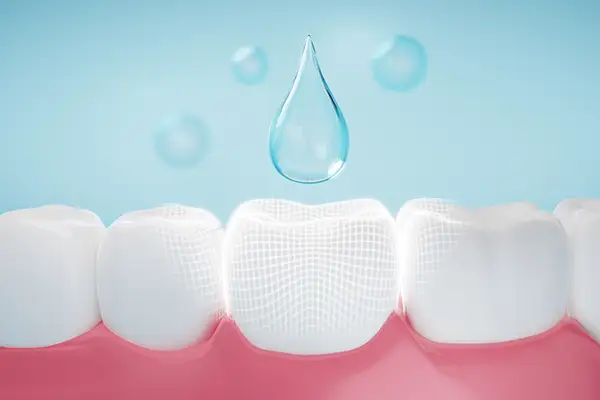 Tooth enamel erosion is one of those quiet problems that progresses for years before most people in Russellville notice it, and the list of things that contribute to it is broader than most patients expect. Sodas, citrus, certain medical conditions, and even the toothbrush itself can all play a role. Once enamel is lost, it does not grow back, which is why understanding the causes matters as much as treating the result. Tooth enamel erosion is one of those quiet problems that progresses for years before most people in Russellville notice it, and the list of things that contribute to it is broader than most patients expect. Sodas, citrus, certain medical conditions, and even the toothbrush itself can all play a role. Once enamel is lost, it does not grow back, which is why understanding the causes matters as much as treating the result.
This post breaks down what enamel erosion actually is, the dietary and medical and mechanical factors that drive it, the warning signs to watch for, and the protective steps that genuinely help. If you’ve noticed tooth sensitivity or your teeth simply don’t look the way they used to, this is a good place to start.
On This Page
What Enamel Erosion Is
Enamel is the hardest tissue in the human body, and it’s the only protective layer your teeth have against the wear and acid of everyday life. The catch is that enamel does not regenerate. Once it’s gone, it’s gone, and the dentin beneath it, which is softer and more sensitive, becomes exposed.
Erosion specifically refers to the chemical loss of enamel from acid contact, and it’s different from mechanical wear like grinding or aggressive brushing (although those often happen together). The acid softens the surface, and any contact or pressure shortly afterward removes a thin layer. Repeat that pattern over years, and the effects accumulate. The reason this matters is straightforward: every restoration we place, whether it’s a dental filling or a crown, is essentially replacing structure that no longer exists. Stopping erosion early means less restorative work later.
Dietary Causes
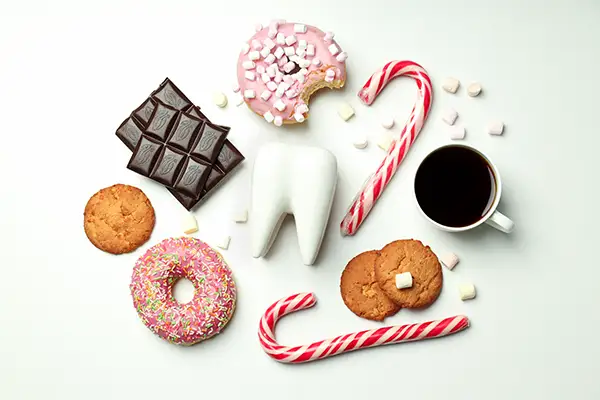 Dietary acid is the most common cause of erosion in the patients we see. The biggest contributors include sodas (regular and diet, because the acid is the issue, not the sugar), sports drinks, energy drinks, citrus fruits and juices, vinegar-based dressings, pickled foods, wine, kombucha, and sparkling waters that have a citrus or fruit flavor. Dietary acid is the most common cause of erosion in the patients we see. The biggest contributors include sodas (regular and diet, because the acid is the issue, not the sugar), sports drinks, energy drinks, citrus fruits and juices, vinegar-based dressings, pickled foods, wine, kombucha, and sparkling waters that have a citrus or fruit flavor.
The pattern of consumption matters as much as the volume. Sipping a sports drink over the course of two hours during a workout exposes the teeth to acid the entire time, while drinking the same amount with a meal limits the exposure to one shorter window. Saliva is your body’s natural acid buffer, and it needs time to do its job between exposures. When teeth are bathed in acid all day from constant grazing or sipping, saliva never catches up.
A simple change that helps without requiring you to give up anything you love: drink acidic beverages through a straw when possible, finish them in one sitting rather than nursing them, and rinse with water afterward.
Medical Conditions
Some causes of erosion have nothing to do with what you drink. Acid reflux and GERD are at the top of this list because they expose the teeth to stomach acid, which is dramatically more aggressive than dietary acid. Many patients with mild reflux have no idea they have it, and we sometimes notice the erosion pattern on the back of the upper teeth before reflux has even come up at the primary care office.
Bulimia and frequent vomiting from other causes produce a similar pattern, often more severe and concentrated on the back of the front teeth. This is an area where our dental team often quietly notices something worth a conversation, and we approach those conversations with care.
Chronic dry mouth is another major contributor that surprises people. Saliva is what neutralizes acid and remineralizes the enamel surface. If you take medications that reduce saliva, or you have a condition that affects salivary glands, the same dietary acid that other people handle without issue can cause real damage in your mouth. Certain medications, particularly when chewed rather than swallowed (some forms of aspirin and vitamin C), also contribute.
Mechanical Causes
Strictly speaking, mechanical wear is a different process from chemical erosion, but the two almost always work together, and they’re hard to separate in practice. The mechanical and environmental factors most worth knowing about include brushing too hard, especially right after acidic exposure when the enamel is temporarily softened. Many patients are surprised to learn that the timing of brushing matters: brushing immediately after a citrus snack or a glass of wine can do more damage than skipping that brushing session altogether.
Abrasive toothpastes and a hard-bristled brush amplify the effect. We generally recommend a soft-bristled brush with light pressure for almost everyone. Chronic grinding adds another layer because it physically wears the chewing surfaces of teeth that are already chemically weakened.
A factor most people never hear about: competitive swimming in heavily chlorinated pools. The water can become slightly acidic when the chemistry isn’t kept in balance, and swimmers who spend several hours a day with their teeth exposed to that water sometimes develop a distinctive pattern of erosion. If you or your child swims competitively, that’s worth mentioning at your next exam.
Signs of Erosion
 Sensitivity to cold, hot, or sweet foods is often the first thing patients notice. It happens because the layer of enamel that used to insulate the nerve has thinned, and stimuli that never reached the nerve before now do. The change can feel sudden, but the erosion that caused it has usually been going on for years. Sensitivity to cold, hot, or sweet foods is often the first thing patients notice. It happens because the layer of enamel that used to insulate the nerve has thinned, and stimuli that never reached the nerve before now do. The change can feel sudden, but the erosion that caused it has usually been going on for years.
Yellowing of the teeth that doesn’t respond to whitening is another sign. When enamel thins, the dentin beneath it, which is naturally yellow, starts to show through. The teeth appear to have changed color, but the color was always there. Whitening products work on stains on the enamel surface; they can’t brighten dentin that’s showing through. Edges of the front teeth that look transparent or worn down, cupping or dish-shaped depressions on the chewing surfaces of back teeth, and small cracks or chips that seem to develop without obvious cause are all classic signs.
If any of this sounds familiar, scheduling a dental exam is the right next step. Catching erosion earlier means more options for protecting what enamel remains.
How to Protect Your Enamel
The first move is always to identify and address the underlying cause. That could mean cutting back on the daily sports drink, treating acid reflux with your physician, addressing dry mouth, or modifying when and how you brush. Without addressing the source, any restorative work is essentially repairing a leak while leaving the faucet running.
For protecting and strengthening the enamel you still have, fluoride treatment is a proven part of the picture. Fluoride helps the surface remineralize and become more resistant to acid. We apply professional fluoride varnish at routine cleanings, and for higher-risk patients we may recommend a prescription-strength fluoride toothpaste or rinse for daily use.
When erosion has caused significant structural loss, restorative care can rebuild what’s missing. Depending on the location and severity, this might be a bonded filling, an inlay or onlay, or in more advanced cases, crowns or veneers. The goal isn’t just to restore appearance; it’s to seal the exposed surfaces and prevent further loss.
Protecting Your Smile
If sensitivity, color changes, or worn-looking edges have you wondering about your enamel, our team can take a careful look and walk you through what we see. Call Singing River Dentistry in Russellville at 256-332-6888 or schedule a visit at our Russellville office to get started. The earlier erosion is identified, the more enamel we can help you protect.
Frequently Asked Questions
Can enamel grow back once it’s eroded?
No. Enamel does not contain living cells, so it cannot regenerate the way bone or skin can. What can happen is remineralization, where minerals like fluoride and calcium reinforce the existing enamel surface and make it more resistant to further damage. That is why fluoride and dietary changes matter so much once erosion has started.
Is diet soda really as bad for teeth as regular soda?
For erosion specifically, yes. The damage to enamel comes from the acidity of the drink rather than the sugar. Diet sodas and many sugar-free sports drinks are highly acidic and contribute to erosion in much the same way as their sugared versions. Sugar is a separate issue for cavities, but acid is the issue for erosion.
How long should I wait to brush after eating something acidic?
Wait at least 30 minutes. After acid exposure, the enamel is temporarily softer, and brushing during that window can wear it down more than usual. Rinse your mouth with water immediately after, then brush later. This single change protects more enamel than most people realize.
Can erosion cause cavities?
Indirectly, yes. Erosion does not cause cavities the way bacterial decay does, but the loss of enamel removes the strongest barrier against the bacteria that do cause cavities. Eroded teeth are more vulnerable to decay, especially along the gumline and on chewing surfaces.
Will whitening make my eroded teeth look better?
Usually not, and sometimes whitening can make sensitivity worse on already eroded teeth. The yellow color comes from the dentin showing through thinned enamel, and whitening agents can’t change the color of dentin. For cosmetic improvement after significant erosion, bonded restorations or veneers are usually more effective.
|
|

